Energy Manager Training and Certification for Government Building Managers
Tegal, Central Java: The Directorate of Energy Conservation, Ministry of Energy and Mineral Resources (ESDM), in collaboration with IREEM for the UK PACT-MENTARI Energy Efficiency program, held energy manager training and certification for government building managers from September 12 to 15, 2023, in Tegal City, Central Java. The objective of this energy manager training and certification program is to enhance the capacity and skills of government building managers in implementing energy management practices within their agencies. Additionally, this initiative seeks to assess the competency of building managers as part of the energy manager certification process.
The opening ceremony was conducted by Mr. Eko Sudarmawan, Sub-coordinator for energy conservation technical guidance at ESDM, representing the Director of Energy Conservation. In his speech, Mr. Eko emphasized the significance of energy conservation in government buildings, both at the central and regional levels. "As per Government Regulation No. 33 of 2023, the Government and Regional Governments are obligated to implement Energy Conservation through Energy Management. Therefore, it is essential to appoint an Energy Manager who holds a competency certificate." This will add value to the agency, as the building manager will possess the necessary competence as an energy manager. "The implementation of Energy Management in Government Buildings can lead to a 7% reduction in energy consumption by 2021. This presents an opportunity for your agency to allocate the budget saved from energy conservation to other programs."
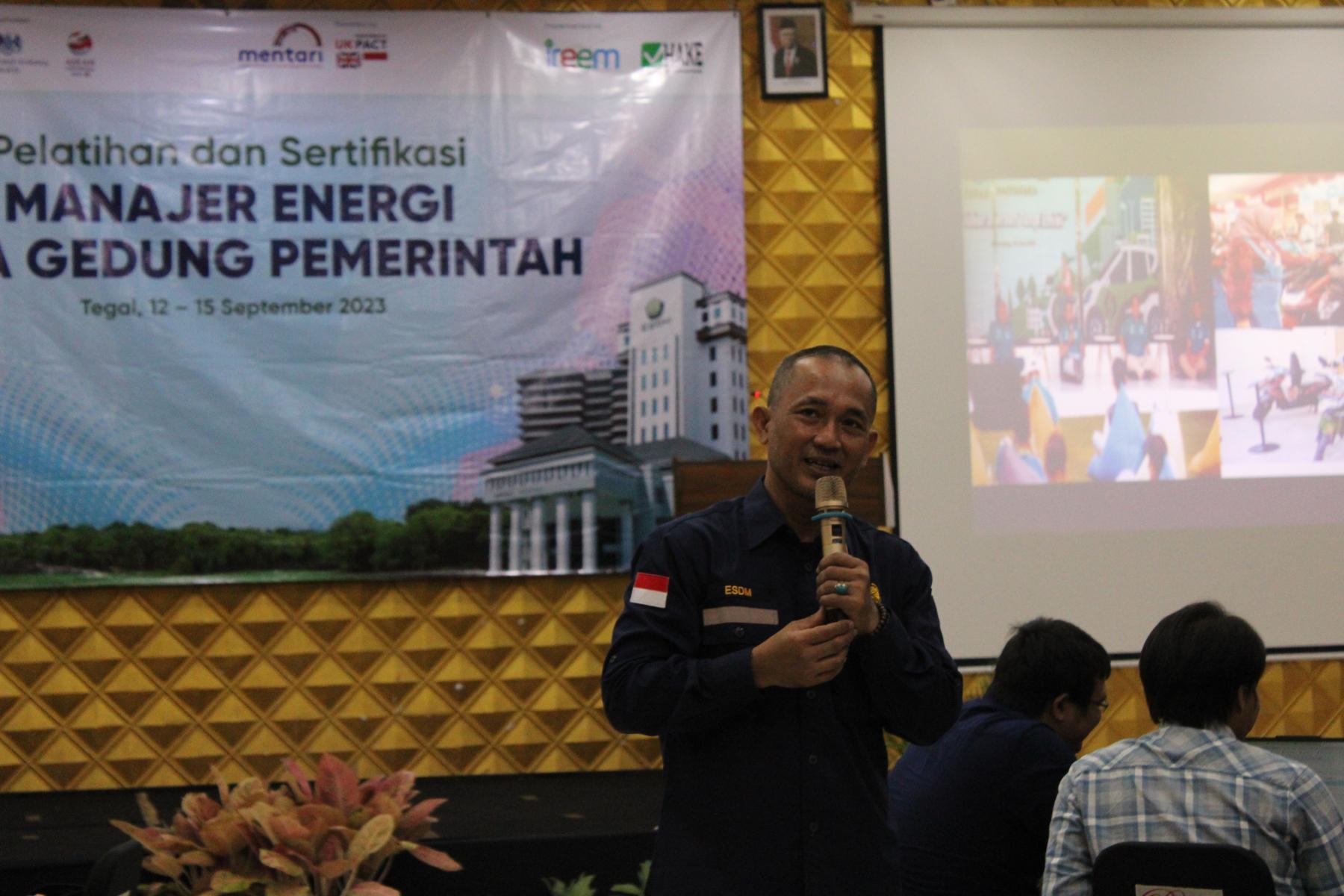
The training program had 37 participants, including 9 women (24%). Participants came from various Ministries and Regional Work Units (SKPD) in the provinces of West Java, Central Java, and Yogyakarta. Seven participants were from the Ministry, eleven from West Java, sixteen from Central Java, and three from the Special Region of Yogyakarta. Most participants were selected from those who had previously attended the Technical Guidance on the Implementation of Energy Management in Government Buildings held in Bandung and the Special Region of Yogyakarta. The training spanned three days, with two days dedicated to providing materials and completing portfolios, and one day for mentoring in preparation for the Energy Manager certification. During the training, participants were divided into two groups in separate classrooms. Two resource persons conducted the training: Mr. Parlindungan Marpaung and Mr. Titovianto Widyantoro.
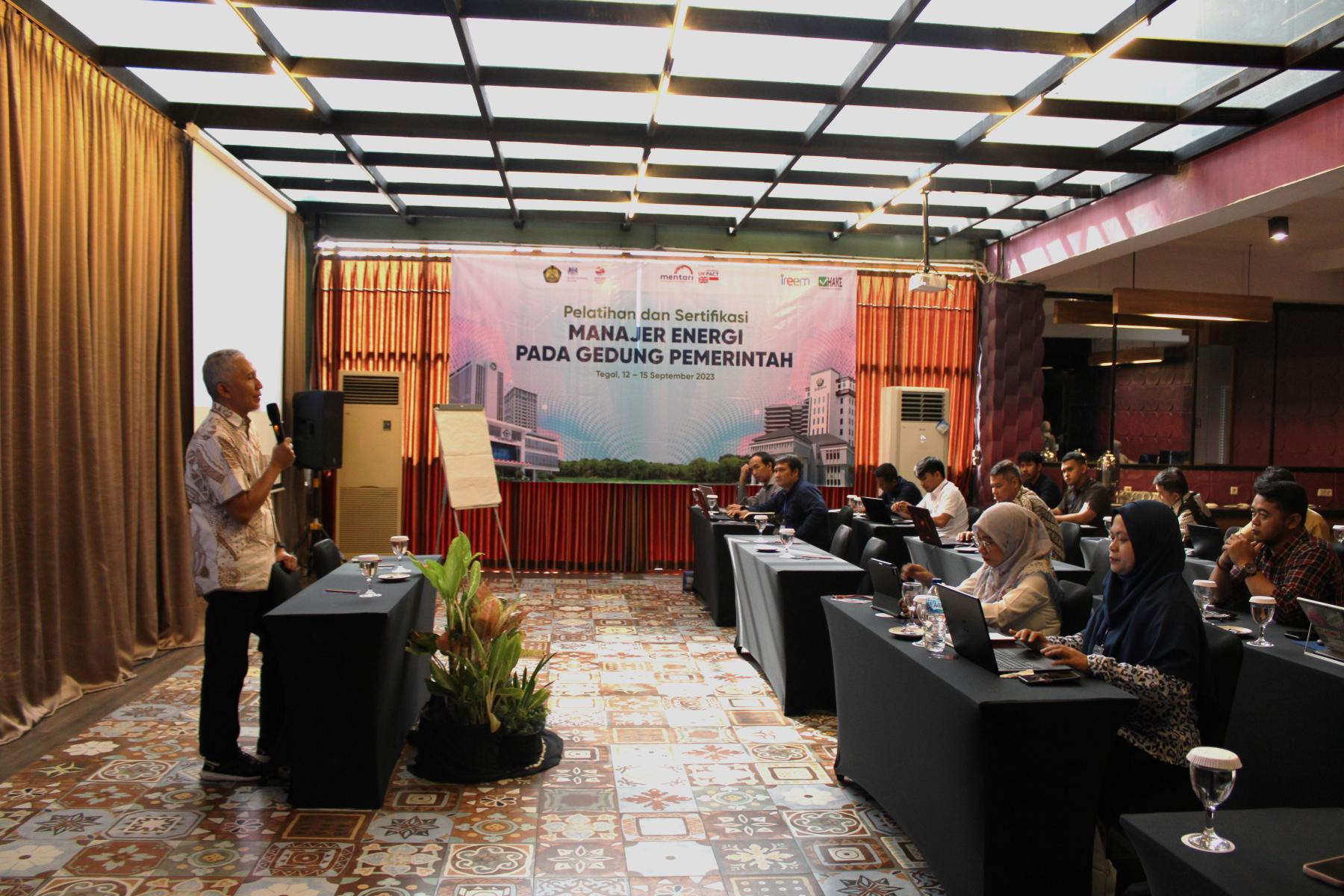
On the first and second days, the training competency material presented refers to the Indonesian National Work Competency Standards (SKKNI) No. 80 of 2015 for Energy Managers in Buildings, which includes: Application of energy saving principles in buildings, Development of organizational energy policies , Energy management planning, implementing energy management plans, evaluating energy management, and conducting energy management reviews. On the third day of training, the participants were accompanied by an instructor to complete a portfolio in preparation for the Energy Manager certification competency test.
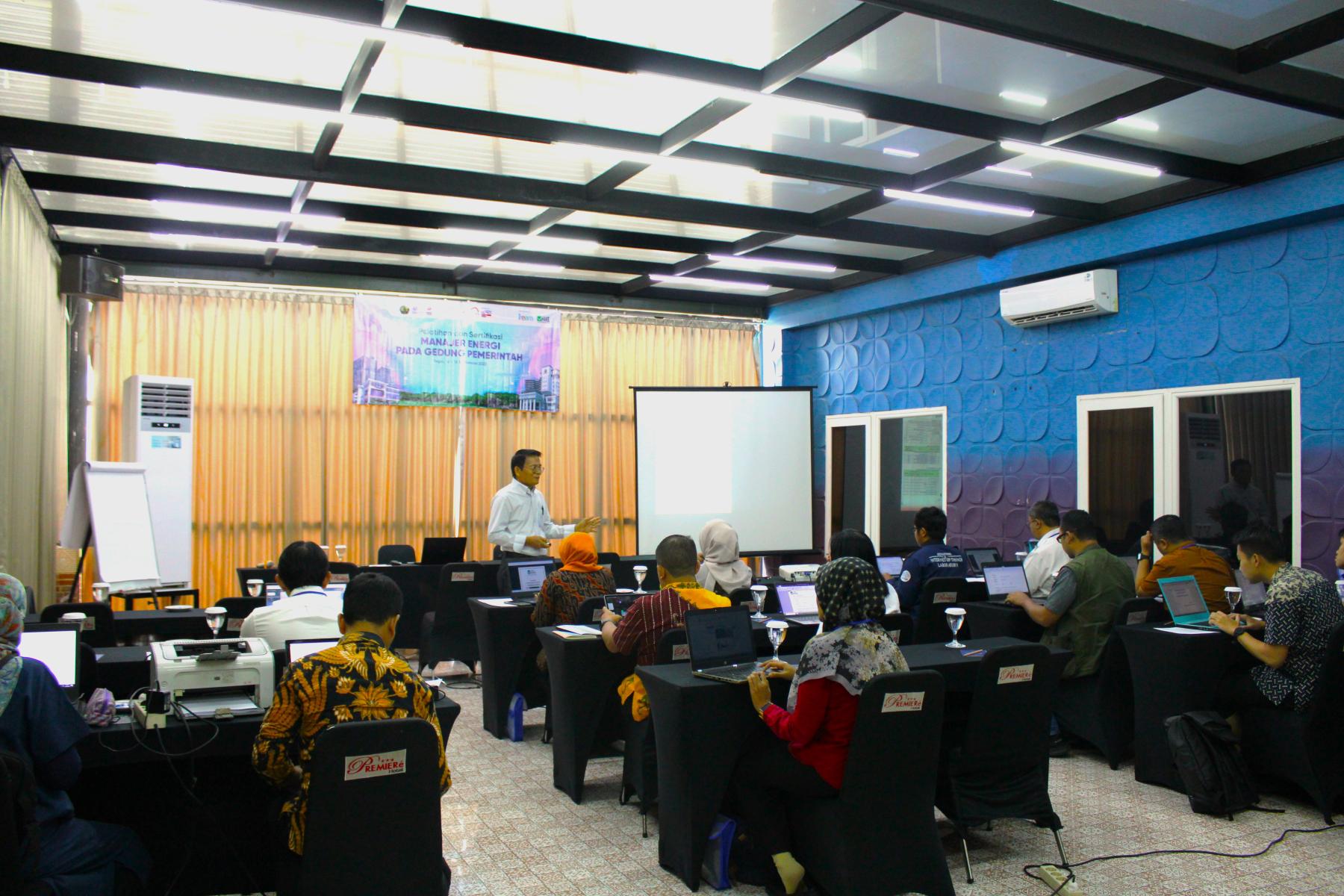
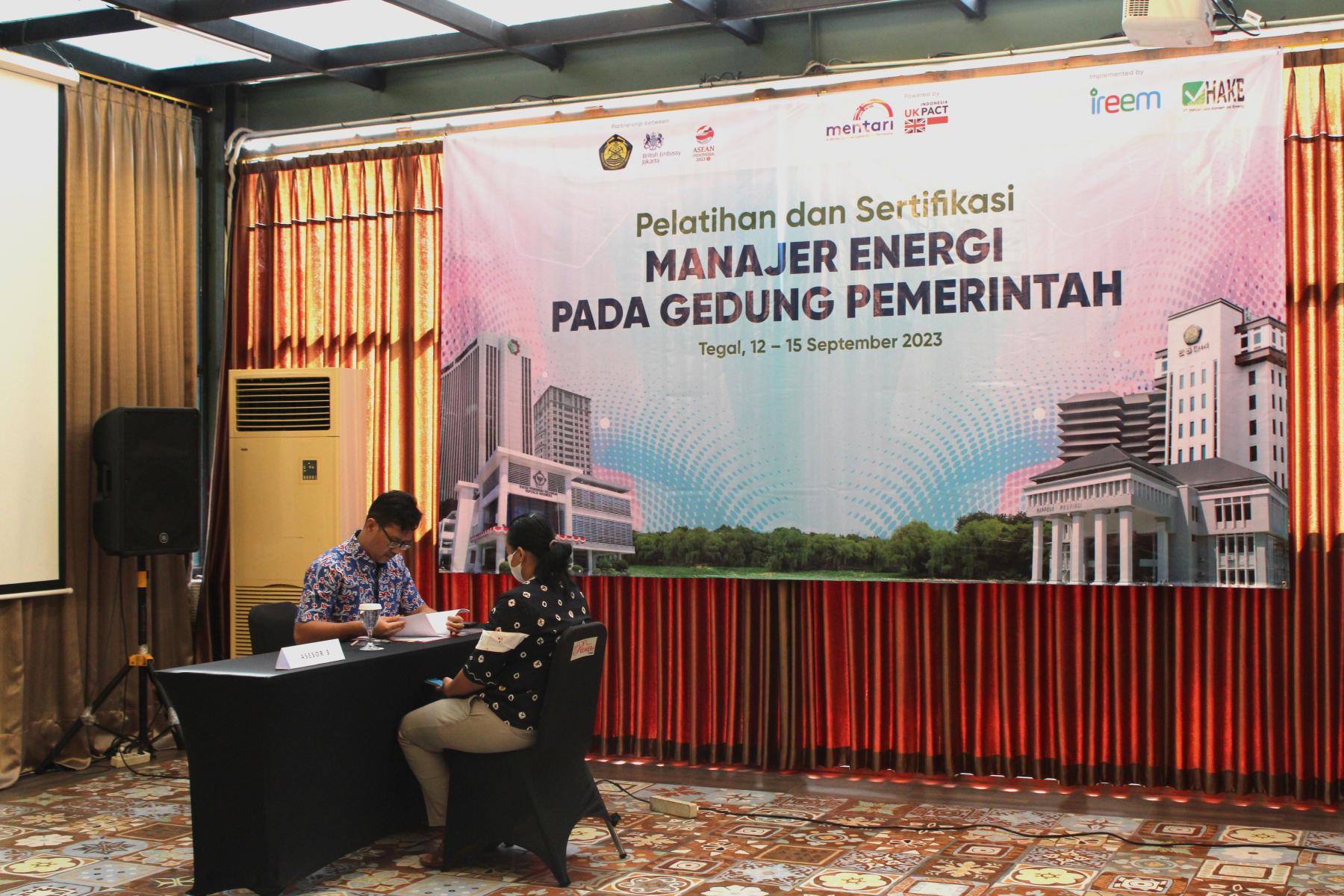
Based on the results of portfolio assistance, 31 participants expressed their readiness to take part in the Energy Manager certification process. In the Energy Manager certification competency test stage, there were 5 assessors from the Training Certification Institute (LSP) of the Association of Energy Conservation Experts (HAKE). The competency test stages include portfolio document verification, written test and interview. Through this competency test, 100% of participants are declared "Competent" and will receive a competency certificate for energy managers in buildings from BNSP.
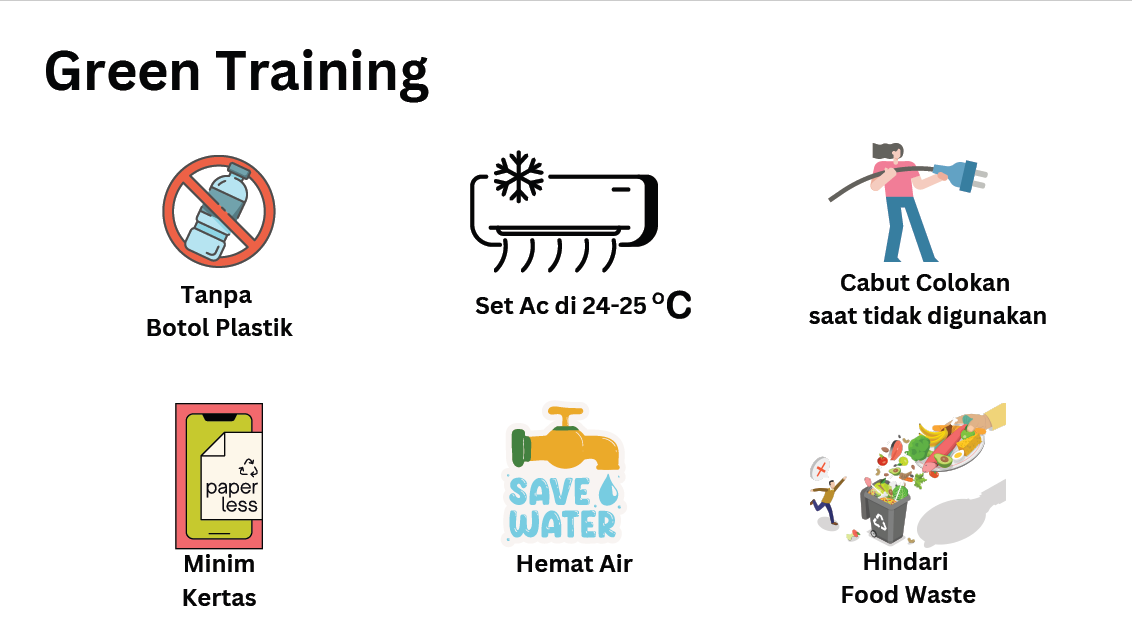
Throughout the activity, IREEM promotes environmentally friendly practices to minimize greenhouse gas (GHG) emissions. Concrete actions taken during the training include reducing the use of single-use plastic bottles, minimizing excessive paper usage, conserving clean water, maintaining room temperatures between 24-25°C, unplugging devices when not in use, and minimizing food waste. These efforts align with environmental conservation principles.